
Blog
The Ultimate Guide to 2000s Streetwear: Early Millennium Style, Brands & Outfits
Mar
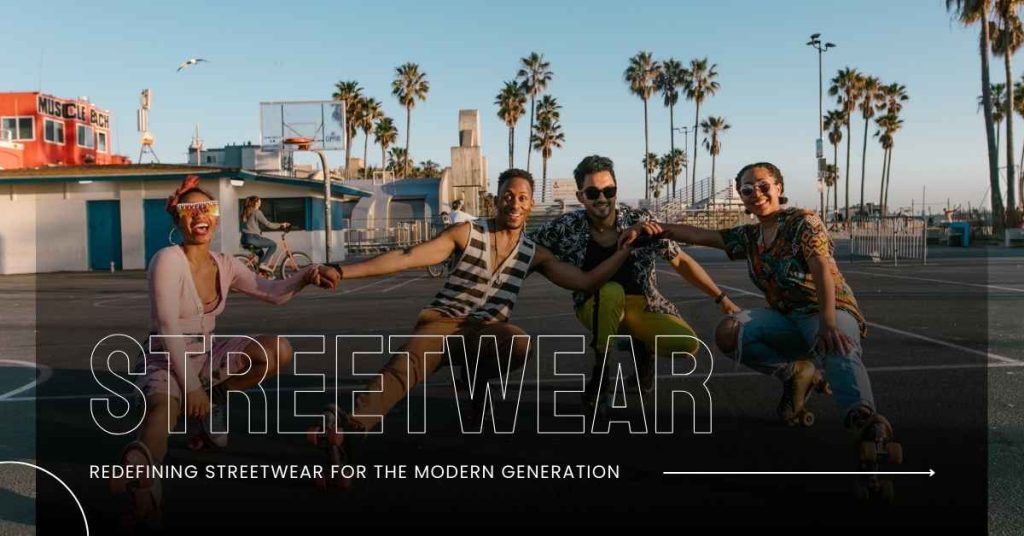
2000s streetwear was one of the most culturally explosive fashion movements in modern history. It fused hip-hop, skateboarding, Japanese youth culture, and early internet aesthetics into a visual language that still resonates today. This guide covers everything from the defining brands and iconic silhouettes of the era to how to recreate throwback streetwear outfits in 2025 authentically, not as a costume. Whether you are a style researcher, a nostalgic fan, or a Gen Z explorer discovering the era for the first time, this is your complete reference.
Our newest arrivals
-
MF DOOM Knicks Hoodie Heather Gray – Limited Doomsday 2025 New Era Streetwear
-
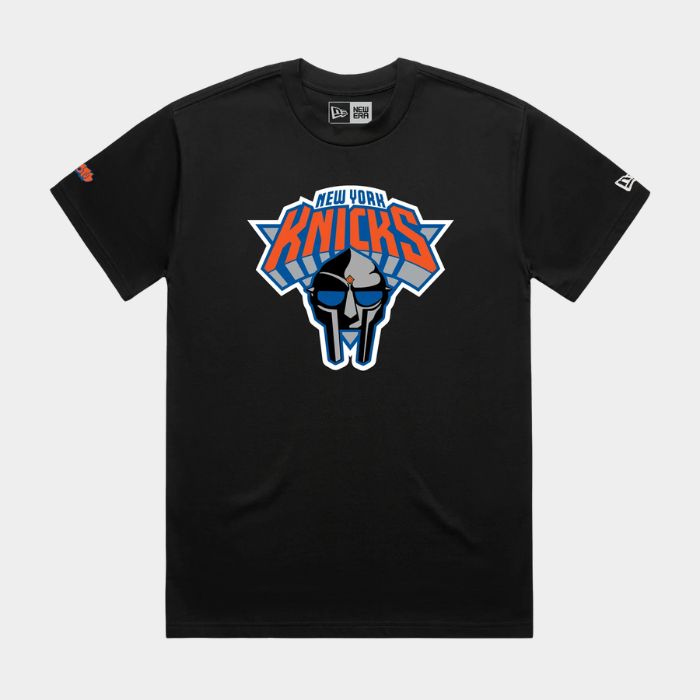
MF DOOM New Era Knicks Shirt Black – New Era Doomsday 2025 Limited Tee
-
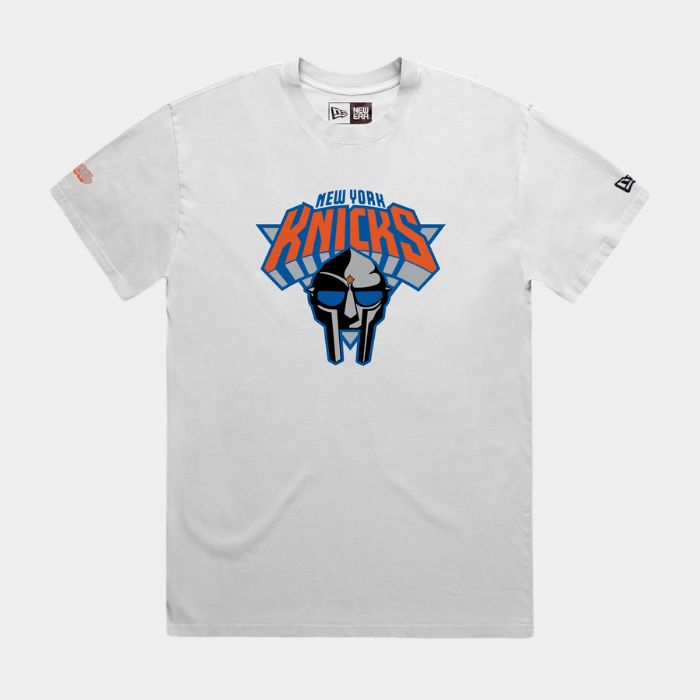
Official MF DOOM New Era Knicks Shirt White – Doomsday 2025 Tee | MF Doom Merch
-
MF Doom Knicks Hoodie Black – Limited Doomsday 2025 | New Era Premium Streetwear


2000s streetwear is a style era spanning roughly 1999–2009 that blended hip-hop, skate, and urban youth culture into a distinctive casual fashion aesthetic defined by baggy silhouettes, bold graphics, and brand loyalty.
Key Points:
- Core brands included Sean John, Rocawear, BAPE, Ecko Unltd., Supreme, and DC Shoes
- Signature pieces were baggy jeans, oversized hoodies, graphic tees, fitted caps, and chunky sneakers
- Hip-hop artists and skaters drove the aesthetic through music videos and street-level culture
- Japanese streetwear ran parallel to Western trends and had enormous global influence
- The Y2K revival has brought early 2000s streetwear back to the center of fashion conversation
What Is 2000s Streetwear? Defining an Era That Changed Fashion Forever
2000s streetwear is the style movement that emerged from urban youth communities at the turn of the millennium, translating hip-hop and skate culture into everyday clothing. It was defined by its excess bigger silhouettes, louder branding, and deeper cultural signaling than any street style before it.
How the Early 2000s Created a New Visual Language for Street Culture
The early 2000s produced a unique fashion vocabulary because the cultural forces feeding into it rap music, skateboarding, video games, and early internet culture all peaked simultaneously. Young people used clothing to broadcast identity in a way that was specific and readable. Wearing Sean John meant something different from wearing DC Shoes. The brands were subcultural signifiers, not just labels.
This visual language was loud by design. Double XL hoodies, oversized jerseys, wide-leg denim, and stacked logos communicated belonging, aspiration, and status all at once.
The Difference Between Y2K Fashion and True 2000s Streetwear
Y2K fashion broadly refers to the aesthetic of the year 2000 transition low-rise jeans, metallic fabrics, butterfly clips, and pop celebrity style. 2000s streetwear is a distinct subset rooted specifically in hip-hop and skate communities. While both share the same era, Y2K fashion leaned pop and mainstream, while 2000s streetwear carried subcultural weight and community codes.
Why the Millennium Streetwear Era Still Resonates in 2025
The era resonates because it was genuinely expressive. Each piece communicated something specific about who you were and what you valued. Today’s revival is partly nostalgia, partly a reaction against the minimalism of the 2010s. The boldness and cultural specificity of 2000s streetwear feels fresh again.
The Cultural Forces That Shaped 2000s Streetwear Style
2000s streetwear did not emerge in a vacuum. It was shaped by a convergence of music, sports culture, visual media, and global youth movements that amplified each other in real time.
Hip-Hop’s Dominance: How Rap Icons Dictated Urban Fashion Trends
Hip-hop was the single most powerful driver of 2000s urban fashion. Artists like Jay-Z, Kanye West, Nelly, and 50 Cent did not just wear clothing they created brands, appeared in music videos wearing specific labels, and turned product placement into cultural endorsement. When Jay-Z launched Rocawear or Diddy expanded Sean John, they were not just starting clothing lines; they were extending their cultural authority into fashion.
Skate Culture’s Crossover Into Mainstream Early 2000s Style
Skateboarding crossed from subculture to mainstream in the early 2000s through Tony Hawk’s Pro Skater video games, the X Games, and MTV coverage. Skate brands like DC Shoes, Etnies, and Emerica built global audiences. Their baggy pants, vulcanized sneakers, and clean graphic tees overlapped with hip-hop aesthetics enough to create a genuine crossover kids in suburban areas who skated wore the same silhouettes as kids in urban centers who were into rap.
How MTV, BET & Video Culture Amplified 2000s Urban Clothing Trends
Before social media, MTV and BET were the distribution channels for streetwear influence. Music videos served as fashion editorials. Whatever an artist wore in rotation became desirable within weeks. BET’s programming specifically amplified hip-hop fashion, while MTV’s TRL turned mainstream pop and hip-hop crossover artists into style icons for a global audience.
The Role of Video Games, Anime & Internet Culture on Y2K Street Fashion
Early 2000s internet culture and video games fed into streetwear through graphic aesthetics. Dragon Ball Z, Naruto, and early anime influenced graphic tee design. Gaming culture introduced a new visual language that appeared on independent brand clothing. Early forums and websites created communities around niche style before Instagram existed, laying the groundwork for the drop culture model that dominates streetwear today.
Iconic 2000s Streetwear Brands That Defined the Decade
The top streetwear brands of the 2000s built their identities around celebrity association, cultural community, and strong graphic design. Each operated within a distinct subcultural lane.
Sean John, Rocawear & Fubu: Hip-Hop Brands That Built Urban Fashion
Sean John (Diddy’s label), Rocawear (Jay-Z and Damon Dash), and FUBU (For Us By Us) were the major league of early 2000s hip-hop fashion. These were not just merchandise lines attached to artists they were full fashion brands with seasonal collections, retail distribution, and genuine design ambition. FUBU, founded in the early 1990s and dominant through the 2000s, was particularly significant as a brand created by Black entrepreneurs explicitly for the urban community it served.
Ecko Unltd., Phat Farm & G-Unit Clothing: The Mid-Tier Giants
Ecko Unltd., founded by Marc Ecko, became one of the best-selling urban clothing brands of the era with its rhinoceros logo and heavily graphic-driven collections. Phat Farm (Russell Simmons) occupied a slightly more elevated position in the urban fashion market. G-Unit Clothing, launched by 50 Cent and his crew, demonstrated how any hip-hop act with sufficient cultural momentum could convert fan loyalty into fashion sales.
DC Shoes, Etnies & Emerica: Skate Brands That Crossed Into Streetwear
DC Shoes became one of the most recognizable footwear brands of the early 2000s by attaching itself to the core of professional skateboarding and then crossing over to a massive mainstream audience. Etnies and Emerica held credibility closer to skateboarding’s underground core. All three brands produced clothing alongside footwear hoodies, tees, and cargo pants that fed directly into early millennium streetwear wardrobes.
Supreme & Stüssy in the Early 2000s: Underground Before the Hype
Supreme, founded in 1994, operated as a genuine underground label through most of the 2000s a well-kept secret among skaters and downtown New York’s creative community. Stüssy was already a veteran by this point, having invented much of the template. Both brands laid the groundwork for what streetwear would become in the 2010s, but in the early 2000s they were known quantities only in specific communities.
2000s Japanese Streetwear: The Parallel Movement That Changed Everything
Japanese streetwear brands in the early 2000s were operating on a completely different level of design innovation from their Western counterparts. The scene was smaller, more considered, and built around craft and concept rather than celebrity endorsement.
What Made Early 2000s Japanese Streetwear Uniquely Innovative
Japanese streetwear of this era combined deep references American workwear, military surplus, hip-hop, punk with Japanese precision and cultural philosophy. Designers like Nigo, Jun Takahashi, and Hiroshi Fujiwara approached clothing as cultural artifacts rather than product. Limited editions were a feature of the model from the beginning, years before drop culture became a Western phenomenon.
Bathing Ape (BAPE), Neighborhood & Undercover: Tokyo’s Streetwear Holy Trinity
A Bathing Ape, or BAPE, created by Nigo, became the most globally recognized Japanese streetwear brand of the era with its shark hoodies, camo patterns, and the BAPESTA sneaker. Neighborhood, founded by Shinsuke Takizawa, built its identity around motorcycle culture and military aesthetics with exceptional fabric quality. Undercover, Jun Takahashi’s label, pushed toward art and conceptual fashion while remaining rooted in streetwear culture.
How Harajuku and Ura-Hara Culture Influenced Global Y2K Street Style
Harajuku’s Ura-Harajuku (or Ura-Hara) district in Tokyo was the physical center of Japan’s streetwear scene in the late 1990s and early 2000s. A small cluster of boutiques including BAPE’s store, Goodenough, and others defined a shopping and cultural experience unlike anything in the West. Visitors from the United States and Europe came specifically to access pieces unavailable anywhere else, creating a pilgrimage culture that elevated Japanese streetwear’s global prestige.
The BAPE x Pharrell Pipeline: When Japanese and American Streetwear Collided
Pharrell Williams became the most important bridge between Japanese and American streetwear in the early 2000s. His friendship with Nigo and enthusiastic public adoption of BAPE wearing pieces in music videos, on stage, and in press introduced the brand to American hip-hop audiences at scale. This exchange was genuinely bilateral: American artists gained access to Japanese exclusivity, and Japanese brands gained mainstream credibility.
The Essential Pieces of 2000s Streetwear: What Everyone Was Wearing
The 2000s streetwear wardrobe was built around specific silhouettes and items that communicated subcultural fluency. Knowing these pieces is essential for anyone recreating throwback streetwear outfits today.
Baggy Jeans: The Silhouette That Defined Early Millennium Urban Style
Baggy jeans were the defining bottom silhouette of 2000s streetwear. Brands like JNCO, Rocawear, Sean John, and Dickies produced wide-leg and relaxed-fit denim that sat low on the waist and stacked at the ankle. The fit was intentional a rejection of slim, tailored cuts in favor of volume and ease of movement. Authentic vintage denim from this era is the first priority for anyone building a genuine 2000s wardrobe.
Oversized Hoodies and Sweatshirts: The Cornerstone of Throwback Streetwear
Oversized hoodies were the top layer of choice across every 2000s streetwear subculture hip-hop, skate, and everything in between. Branded hoodies from Ecko, Sean John, Champion, and skate labels were worn multiple sizes up, creating silhouettes that draped rather than fitted. The hoodie functioned as a canvas for brand identity and graphic expression.
Graphic Tees: How Logo Culture and Artwork Dominated 2000s Hip-Hop Fashion
Graphic tees in the early 2000s were bold, large-scale, and brand-forward. Rhinestone prints, airbrushed lettering, oversized chest logos, and cartoon character graphics were all common. The tee was a statement piece, not a base layer meant to be read and recognized.
Snapback Caps, Fitted Hats & Headwear Styles of the Era
Fitted caps particularly New Era 59Fifty snapbacks with flat brims and team logos were essential 2000s streetwear accessories. Wearing the sticker on the brim was a cultural signal of authenticity. Do-rags, bandanas, and fitted skull caps were also common headwear in the hip-hop lane of the aesthetic.
Chunky Sneakers and Classic Kicks: The Footwear That Completed Every Look
Footwear split along subcultural lines. In the hip-hop lane, Air Force 1s, Timberland boots, and Nike Air Jordans dominated. In the skate lane, DC Shoes, Vans, and Etnies chunky silhouettes were standard. The Jordan brand bridged both worlds a coveted crossover item worn by skaters and hip-hop fans alike.
2000s Streetwear Outfits for Men: How to Recreate Throwback Looks Today
Recreating 2000s streetwear outfits for men requires understanding the proportions and brand logic of the era not just buying anything labeled vintage.
The Classic Hip-Hop Outfit Formula from Early 2000s Urban Fashion
The foundational hip-hop streetwear outfit formula from this era: oversized graphic tee or jersey, baggy denim with a visible waistband, clean Air Force 1s or Jordans, and a fitted cap. Optional additions include a matching tracksuit top in place of the tee, or a heavy chain necklace for accessorizing. The key is volume everything should feel larger than contemporary casual fits.
Skater-Inspired 2000s Streetwear Outfits: Baggy, Functional and Raw
The skate outfit formula differs in footwear and tee references. Baggy cargo pants or wide-leg skate chinos replace denim. DC or Vans era-correct sneakers ground the look. A branded skate tee or hoodie from Etnies, Emerica, or Supreme completes it. The overall silhouette is baggier and more utilitarian than hip-hop adjacent looks.
How to Layer 2000s Streetwear Pieces for Modern Wearability
Layering makes 2000s streetwear wearable without looking theatrical. Wear a graphic tee under an open flannel or zip-up hoodie, with straight-leg rather than ultra-baggy denim. This approach retains the visual language of the era without the full costumed effect of period-accurate extreme proportions.
Styling Retro Streetwear for Different Settings: Casual, Event & Night Out
For casual settings, full throwback outfits work. For events, pare the look back one statement vintage piece (a BAPE hoodie, a Rocawear tee) with cleaner modern pants and sneakers. For evening settings, a fitted vintage tee under a clean bomber with dark straight-leg jeans reads as culturally informed without reading as nostalgic costume.
2000s Streetwear Style for Women: How Female Street Fashion Looked Then and Now
Women’s 2000s streetwear had its own distinct visual identity one that is often flattened by Pinterest nostalgia into only its most exaggerated elements.
Y2K Streetwear Silhouettes Women Actually Wore
Women’s early 2000s streetwear included low-rise flared jeans, cropped hoodies, velour tracksuits (notably Juicy Couture), fitted babydoll tees, and platform sneakers. The silhouette alternated between body-conscious and relaxed either very fitted or intentionally oversized, rarely in between.
How Women Styled Hip-Hop and Skate Influences in Early 2000s Fashion
Women who leaned into hip-hop style wore matching tracksuit sets, oversized jerseys as dresses, fitted caps, and stacked sneakers. Those with skate influence wore wider-leg jeans, skate tees, and Vans. The crossover of both aesthetics hip-hop silhouettes with skate footwear, for instance was common and produced genuinely interesting looks.
Bringing Back Vintage Y2K Street Fashion: Modern Outfit Formulas for Women
For a contemporary take on 2000s streetwear for women: low-rise straight-leg jeans with a cropped graphic tee and platform Nikes, or a velour zip-up in a tonal colorway over a fitted top with clean white sneakers. The goal is selective precision one or two era references per outfit, balanced against cleaner modern pieces.
MF DOOM and the Intersection of Hip-Hop Culture and 2000s Streetwear
MF DOOM represents the underground intellectual current that ran beneath 2000s hip-hop’s commercial surface and his cultural legacy translates directly into streetwear aesthetics that feel as relevant now as ever.
-
MF DOOM Knicks Hoodie Heather Gray – Limited Doomsday 2025 New Era Streetwear
The MF DOOM Knicks Hoodie Heather Gray is a limited-edition Doomsday 2025 streetwear drop that fuses New York Knicks sports culture with the iconic legacy of hip-hop’s most legendary masked figure. Built for men and women who move between streetwear and everyday style without compromise, it delivers a subdued heather gray colorway, bold front graphic…
Original price was: $ 125.00.$ 99.99Current price is: $ 99.99. -
MF DOOM New Era Knicks Shirt Black – New Era Doomsday 2025 Limited Tee
The MF DOOM New Era Knicks Shirt Black is a limited Doomsday 2025 graphic tee that merges New York Knicks basketball culture with the underground legacy of hip-hop’s most iconic masked figure. Designed for men and women who live at the intersection of streetwear and music culture, it delivers a deep black colorway, bold front…
Original price was: $ 110.00.$ 74.99Current price is: $ 74.99. -
Official MF DOOM New Era Knicks Shirt White – Doomsday 2025 Tee | MF Doom Merch
MF DOOM New Era Knicks Shirt White The MF DOOM New Era Knicks Shirt is a limited-edition Doomsday 2025 graphic tee that brings together the underground legacy of hip-hop’s most iconic masked figure and the street-sport energy of New York Knicks culture on a clean, versatile white base that makes the artwork impossible to ignore.…
Original price was: $ 110.00.$ 74.99Current price is: $ 74.99. -
MF Doom Knicks Hoodie Black – Limited Doomsday 2025 | New Era Premium Streetwear
MF Doom Knicks Hoodie Black The MF Doom Knicks Hoodie Black is a limited Doomsday 2025 streetwear drop that brings together the underground legacy of Daniel Dumile and the street-sport energy of New York Knicks culture built into a heavyweight 100% cotton hoodie that wears like a premium piece and carries the weight of real…
Original price was: $ 120.00.$ 99.99Current price is: $ 99.99. -
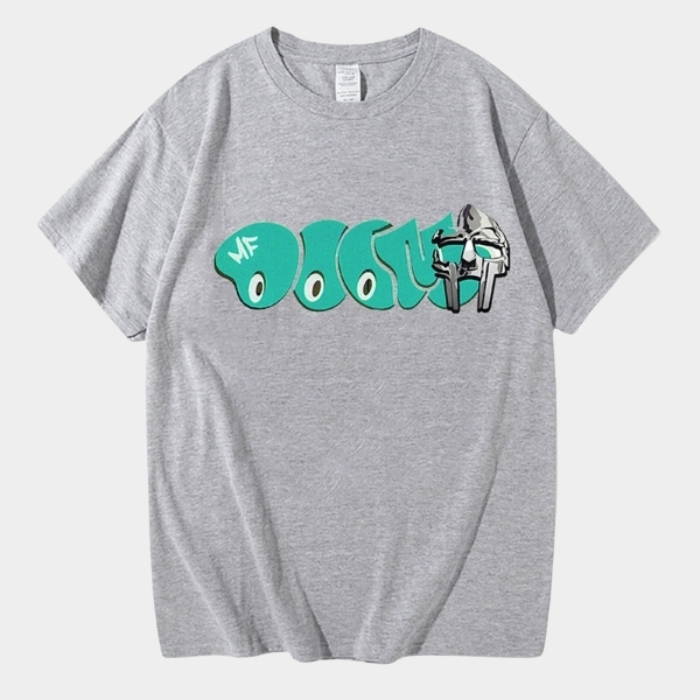
MF DOOM T Shirt Graffiti Bubble Letters & Mask | MF DOOM Merch
MF DOOM T Shirt Graffiti Bubble Letters & Mask The MF DOOM T Shirt Graffiti Bubble Letters & Mask is a premium streetwear tee for men and women who carry their culture on their sleeve literally. Built from soft 90% cotton fabric and printed with bold graffiti bubble lettering alongside DOOM’s iconic metal mask, this…
Original price was: $ 110.00.$ 74.99Current price is: $ 74.99.
Why MF DOOM Became a Symbol of Underground Hip-Hop Streetwear Aesthetics
MF DOOM built one of the most visually distinctive identities in music history around the iron mask of Marvel’s Doctor Doom. His persona lyrically complex, mythologically dense, commercially resistant created an aesthetic framework that resonated deeply with the underground side of 2000s hip-hop culture. Wearing DOOM was a declaration of taste and cultural depth.
MF DOOM Merch as Wearable Art: Hoodies, T-Shirts & Sweatshirts Explained
MF DOOM hoodies, t-shirts, and sweatshirts carry the metal mask motif, Doom logo, and references to cornerstone albums like Madvillainy, MM..FOOD, and Operation: Doomsday. These pieces function as wearable cultural references more akin to music posters than standard artist merch. After his passing in 2020, demand intensified significantly, making authentic DOOM pieces genuinely collectible streetwear.
How to Style MF DOOM Merch Into Authentic 2000s-Inspired Streetwear Outfits
MF DOOM merch works best as the anchor of a look rather than one of several branded pieces. Pair a DOOM graphic tee with baggy straight-leg pants and clean Air Force 1s. Layer a DOOM hoodie under a dark denim jacket. Keep everything else quiet the piece communicates best when it is not competing with other loud elements.
MF DOOM Rings & Necklaces: The Villain Accessories That Complete the Look
MF DOOM’s accessory aesthetic heavy rings and chunky chain necklaces referencing both hip-hop jewelry traditions and comic book villain iconography is an extension of the character into three-dimensional form. Licensed DOOM rings and necklaces are available through his estate partners. Worn alongside his clothing pieces, they create a complete character-driven streetwear statement.
How to Build a Vintage 2000s Streetwear Wardrobe from Scratch
Step 1: Identify Your 2000s Streetwear Aesthetic (Hip-Hop, Skate or Hybrid)
Define your reference point before buying anything. Are you drawn to the hip-hop lane Rocawear, Sean John, oversized jerseys or the skate lane DC, Etnies, cargo pants? Knowing the answer shapes every subsequent decision and prevents you from accumulating pieces that don’t work together.
Step 2: Source Authentic Vintage 2000s Pieces vs. Modern Retro Reproductions
Authentic vintage and modern reproductions serve different purposes. For authenticity and cultural accuracy, prioritize original pieces from Grailed, Depop, and eBay. For wearability and budget, modern labels producing throwback streetwear outfits can fill gaps. Be clear about which category each purchase falls into.
Step 3: Build Around Key Foundational Items First
Start with foundational pieces: a pair of era-correct baggy or relaxed-fit jeans, one or two oversized branded hoodies, a selection of graphic tees from relevant labels, and a period-correct sneaker. These form the backbone of every outfit and provide context for statement pieces added later.
Step 4: Accessorize the Throwback Streetwear Way Hats, Chains & Sneakers
Accessories define the era. A New Era fitted cap, a simple chain necklace, and clean 2000s-silhouette sneakers complete the look. Do not overlook the accessory layer it is often the difference between a look that reads as culturally informed and one that looks incomplete.
Where to Find and Shop Vintage 2000s Streetwear Today
Best Platforms for Authentic Vintage and Retro Hip-Hop Clothing
Grailed, Depop, eBay, and Poshmark are the primary secondary market platforms for vintage 2000s streetwear. Local thrift stores and vintage shops in urban centers regularly stock era pieces at lower prices than resale platforms. Japanese vintage stores both physical and online often carry exceptional early BAPE and skate brand pieces.
What to Look for When Buying Secondhand 2000s Urban Clothing
Check print quality, tag authenticity, and overall construction when buying secondhand. Authentic BAPE, for example, has consistent camo print registration and specific tag formats that changed over time. For hip-hop brand pieces, original tags with the correct era branding confirm authenticity. Fading, wear, and aging are acceptable damage to print or construction is not.
New Brands Producing Quality Throwback Streetwear Outfits in 2025
Several contemporary labels are producing 2000s-inspired pieces for buyers who cannot source vintage. Aimé Leon Dore nods to early 2000s New York aesthetics. Corteiz references urban clothing traditions from the era. Brands like Pleasures and Market produce graphic tees that directly reference 2000s visual culture.
Common Mistakes When Recreating 2000s Streetwear (And How to Fix Them)
Going Too Costume-y: How to Wear Retro Streetwear Style Without Looking Gimmicky
The costume problem occurs when every element of an outfit is period-specific and pushed to its maximum. Wearing ultra-baggy JNCO jeans, a FUBU jersey, a fitted cap with the sticker, and Timberlands simultaneously reads as performance rather than style. The fix: one or two strong era references, balanced against quieter pieces.
Mismatching Subcultural Signals: Hip-Hop vs. Skate Codes You Should Know
Mixing hip-hop and skate pieces can work it happened naturally in the 2000s but it requires understanding both visual languages. A Rocawear jersey with DC Shoes reads as culturally confused unless you understand why that combination makes sense. Study the references before combining them.
Oversizing Gone Wrong: How Baggy Jeans and Oversized Hoodies Should Actually Fit
Oversized 2000s pieces should still have proportional logic. Even extremely wide-leg jeans from the era had a specific break at the ankle and rise at the waist. Hoodies read as oversized in a specific way long in body, wide in shoulder not simply shapeless. Study reference images from the era rather than guessing at proportions.
The Y2K Streetwear Revival: Why 2000s Fashion Is Dominating Again
What’s Driving the Nostalgia for Early 2000s Urban and Hip-Hop Fashion
The revival is driven by a convergence of generational nostalgia among millennials who lived the era and Gen Z discovery of an aesthetic they find bold and culturally specific. The 2010s minimalism backlash has created appetite for exactly the kind of loud, expressive, brand-forward dressing that 2000s streetwear represents.
How Gen Z Is Reinterpreting Classic 2000s Streetwear Brands and Silhouettes
Gen Z is not simply recreating 2000s looks they are remixing them. Wide-leg silhouettes return but often in elevated fabrics. Logo pieces from BAPE or Sean John appear alongside contemporary minimalist pieces. The cultural references are worn knowingly, with irony and appreciation operating simultaneously.
Which Elements of 2000s Style Have Aged Best and Which Haven’t
Elements that have aged well: graphic tees with strong design, BAPE’s camouflage motifs, Air Jordan silhouettes, fitted caps, and layered chain accessories. Elements that require more careful handling in 2025: extreme low-rise denim, rhinestone overloading, and matching head-to-toe brand sets that read as costumes rather than outfits.
Key Takeaways: What 2000s Streetwear Teaches Us About Style, Culture & Identity
The Lasting Design Principles Behind Early Millennium Urban Fashion
2000s streetwear was built on clear principles: clothing as cultural communication, community identity through brand alignment, and the value of subcultural fluency. These principles have not changed the specific codes have. Understanding those principles allows you to engage with the revival intelligently.
How 2000s Streetwear Built the Blueprint for Every Drop Culture Era That Followed
The drop model, the collaboration as cultural event, the limited release, the brand as community all of these were established in the early 2000s by brands like Supreme, BAPE, and even the hip-hop label model. Every subsequent streetwear era, including the current one, operates on this blueprint
2000s Streetwear FAQs
What Are the Most Iconic 2000s Streetwear Brands?
The most iconic 2000s streetwear brands include Sean John, Rocawear, FUBU, Ecko Unltd., BAPE, Stüssy, Supreme, DC Shoes, and G-Unit Clothing. Each represented a distinct subcultural lane within the broader early 2000s urban fashion landscape.
How Is Y2K Fashion Different from 90s Streetwear?
1990s streetwear was more rooted in early hip-hop aesthetics, workwear influences, and independent brand culture. Y2K streetwear took those foundations and amplified them bigger silhouettes, bolder graphics, heavier brand involvement from celebrity-founded labels, and the influence of a commercialized skateboarding culture that peaked in the early 2000s.
Is Baggy Jeans and Oversized Hoodie Style Coming Back?
Yes wide-leg and relaxed-fit denim have been trending across menswear and womenswear since the early 2020s, and the silhouette continues to gain ground in 2025. Oversized hoodies never fully left. The 2000s-specific proportions are being reinterpreted rather than copied exactly.
What Sneakers Were Most Popular in Early 2000s Streetwear?
Air Force 1s, Air Jordan I through XI, Timberland 6-inch boots, DC Shoes (Josh Kalis and Chelsea models), Vans Era, Etnies Callicut, and Nike Dunk were among the most worn silhouettes in early 2000s streetwear culture.
How Do I Style 2000s Hip-Hop Fashion Without Looking Dated?
Select one or two strong 2000s reference pieces per outfit and build the rest of the look around contemporary staples. A vintage Rocawear hoodie reads as culturally informed when paired with clean straight-leg pants and modern sneakers. Keep accessories minimal and intentional. The goal is cultural fluency, not historical recreation.
